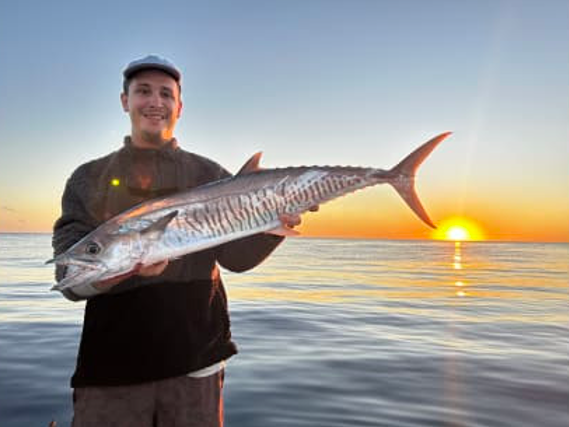
What’s happening?
Queensland’s waterways become a hive of activity during the summer break, with families, friends and solo anglers spending long days on the water. Recreational fishing remains one of the state’s most popular pastimes, with participation continuing to grow.
Fisheries staff say the effect of recreational fishing differs by species. Some fish are targeted far more often because they are popular with anglers, while others experience far less pressure.
Why it matters
The scale of recreational fishing now places it alongside commercial fishing for certain species. Population growth and improved fishing technology mean more people are catching fish more efficiently.
Lucas Sumpter, a Department of Primary Industries Fisheries Scientist based in Cairns, said this shift has real consequences.
“Thanks to population growth in Queensland and our love for fishing, we have so many more people on the water these days and for some iconic species, the recreational catch now matches or even exceeds the commercial sector catch,” he said.
“It’s not just the number of people, but also advances in technology that have increased our fishing efficiency and capacity to impact fish stocks.”
Local impact
Recreational fishing is now a key factor in how harvest strategies are set. Fisheries managers must account for the combined pressure from all fishing sectors to maintain healthy fish populations.
Principal Fisheries Manager Jeff Ikin said recreational fishing can sometimes be the dominant influence.
“It does depend on the fish species, but at times it’s recreational fishers who have the biggest impact on fish populations, and this is reflected in harvest strategies,” he said.
By the numbers
One in five Queenslanders fish recreationally, making it a major statewide activity.
Nearly four million fish are caught each year by recreational anglers, increasing pressure on some species.
Recreational catch can now match or exceed commercial catch for certain iconic species.
Zoom in
Recording catches helps scientists understand real fishing pressure on specific species and locations.
“Better data equals better modelling, and that leads to better decisions by fisheries managers,” Mr Sumpter said.
Zoom out
Without accurate information, fisheries managers must take a cautious approach to protect stocks, which can affect access for all fishers.
What to look for next
Greater participation in catch logging could improve stock assessments and support more balanced fishing rules.