What’s Happening?
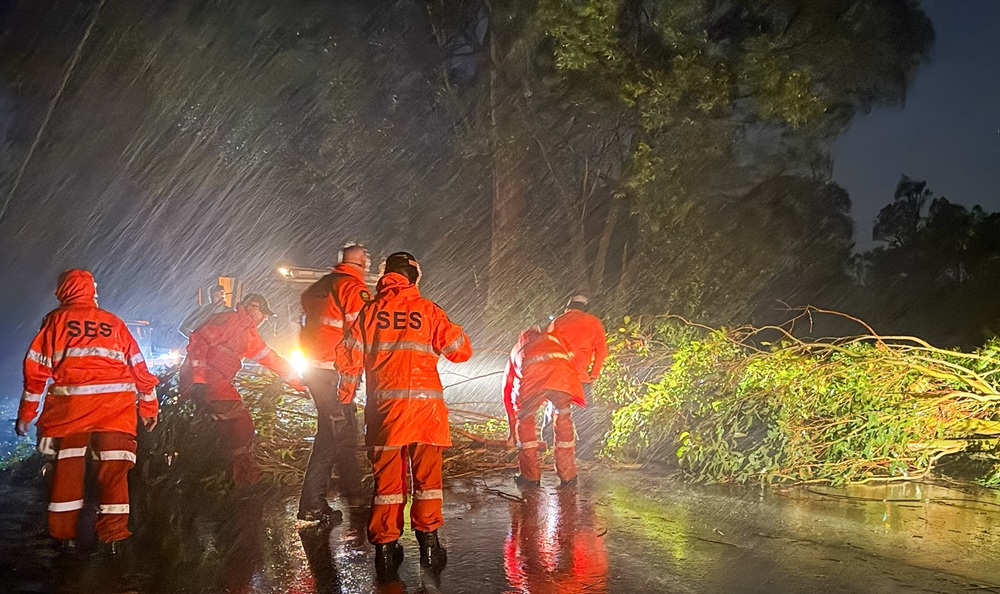
Manly West has emerged as Queensland’s leading home claims hotspot for FY26, according to new Suncorp Insurance analysis.
The data shows the state’s storm damage hotspots have shifted repeatedly over the past five years. The leading location moved from Bracken Ridge in FY22 to Maryborough in FY23, Gympie in FY24, Runaway Bay on the Gold Coast in FY25, and then Manly West in FY26.
The findings show severe storms do not stay confined to one part of Queensland. Instead, different communities have faced the highest impact at different times, with claims linked to storm, flood, hail, cyclone and wind damage.
Why It Matters
The latest figures underline how quickly severe weather risks can change across Southeast Queensland and beyond.
While Manly West is in Brisbane, not Redland City, it sits within the broader bayside region and reflects the kind of storm and hail risks that can affect nearby coastal communities.
Suncorp Executive General Manager Home Insurance Anna Cartwright said the data sent a strong warning to households across the state.
“Five years of claims data tells us one thing very clearly: no Queensland community should assume it’s immune to severe storm impacts,” Ms Cartwright said.
She said the past five years had shown how varied the impacts could be across the state.
“Over the past five years we’ve seen major flooding inundate Southeast Queensland, severe storms impact communities across the Fraser Coast and Far North Queensland, and most recently Ex-Tropical Cyclone Alfred bring damaging winds and heavy rainfall that wreaked havoc across Southeast Queensland. Some communities appear in our claims data time and again, while others can go from barely featuring one year to becoming a major hotspot the next. The lesson isn’t to focus on which suburb topped the list last year. It’s that every Queensland household should prepare for severe storms before it arrives.”
Local Impact
Although Redland City was not named as the top hotspot in any of the five financial years, the Manly West result is a reminder that bayside communities across Southeast Queensland remain exposed to severe weather.
Suncorp said Manly West became the state’s leading hotspot in FY26 after Ex-Tropical Cyclone Alfred and the Southeast Queensland and Northern NSW Giant Hail Outbreak drove significant claims activity.
That makes the report especially relevant for households across the Redlands Coast, where storms, heavy rain and strong winds can also cause major disruption.
Queensland SES Acting Chief Officer Danny Baade said preparation should happen before warnings are issued.
“Severe weather can impact any community, often with little warning,” Mr Baade said.
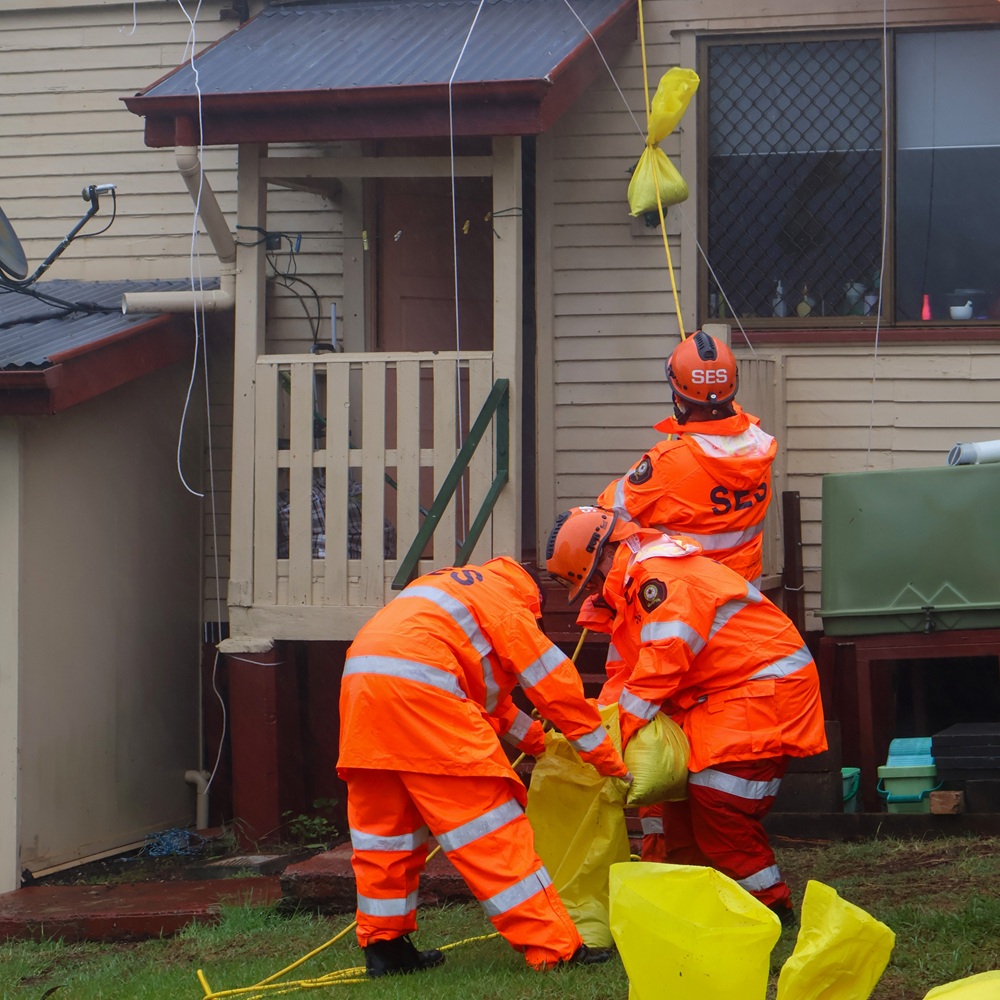
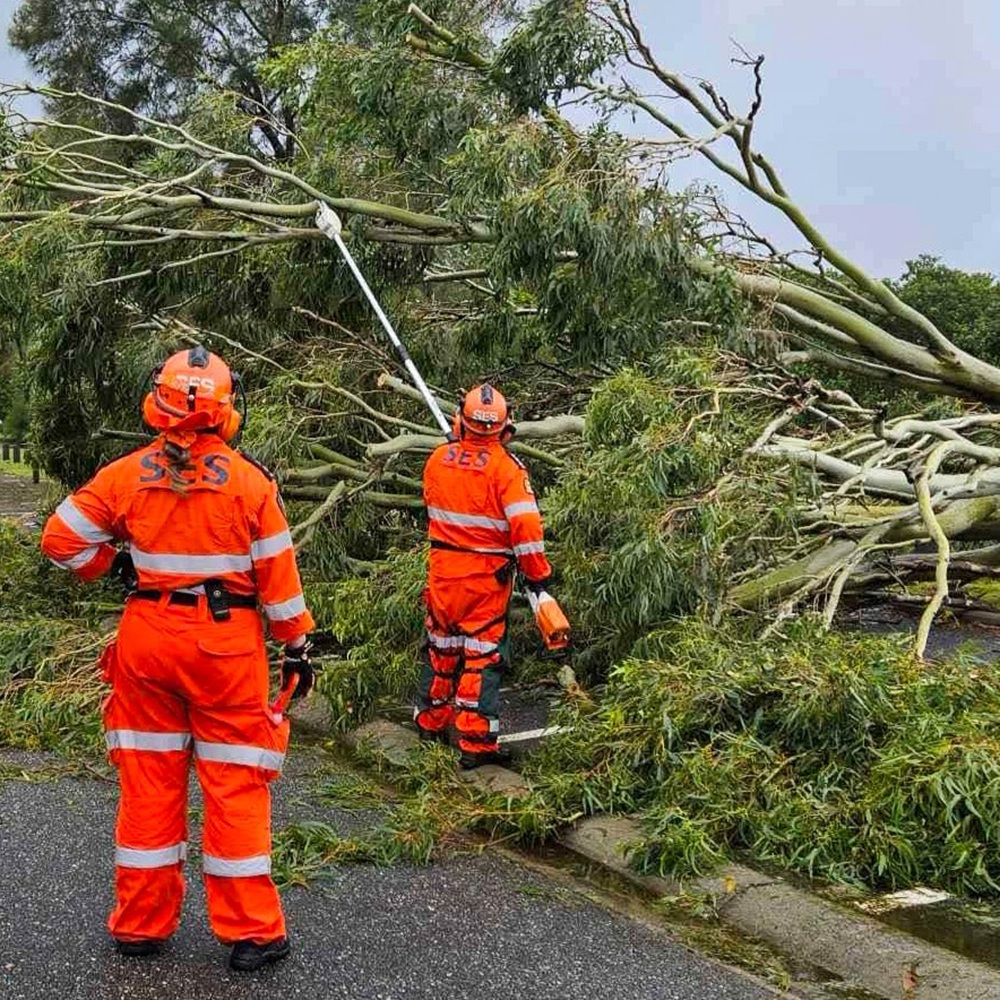
“That’s why the Queensland SES is proud to work alongside our Principal Community Partner, Suncorp Insurance, to encourage Queenslanders to take practical steps to prepare their homes and families before the higher-risk weather season reaches its peak. Getting ready doesn’t need to be complicated, but it is important. Know your risk, make a household emergency plan and pack an emergency kit. Simple actions such as clearing out gutters, securing loose outdoor items, trimming overhanging branches and checking your roof can help reduce damage and improve safety during severe weather.
“Every Queenslander has a role to play in building a more resilient community, and the best time to prepare is before warnings are issued.”
By the numbers
- 126,752 claims were lodged with Suncorp Australia for Queensland home natural hazard events between FY22 and FY26, showing the scale of severe weather losses across the state.
- Five different locations topped Queensland’s home claims list in five years, showing how quickly the state’s worst-affected area can change.
- $3 million over three years is being invested through Suncorp’s Future Ready Resilience Program, while the final report from that work is due in November 2027.
Zoom In
Maryborough and Gympie were the only locations to feature repeatedly among Queensland’s most impacted regions.
Bracken Ridge recorded the state’s highest number of home extreme weather claims in FY22 following the devastating February and March flood event across Southeast Queensland and northern New South Wales.
The hotspot then shifted to Maryborough in FY23 after a series of severe summer storms.
In FY24, Gympie became Queensland’s number one hotspot after a severe thunderstorm and hail event in December 2023.
The Gold Coast, particularly Runaway Bay, moved into the top spot in FY25 when severe thunderstorms hit the region.
By FY26, Manly West had become the state’s leading hotspot.
Zoom Out
The findings support Suncorp’s Spring FY27 Seasonal Outlook, which says significant weather activity may be less frequent than normal this season. Even so, severe thunderstorms, damaging winds, hail and heavy rainfall remain possible across Queensland.
Suncorp Severe Weather Forecaster Justin Noonan said Queenslanders should prepare now as the state moves into the most active part of severe storm season.
“While large-scale climate patterns suggest Spring is expected to be less active than normal, Queenslanders can still expect severe thunderstorms with damaging winds, large hailstones and heavy rainfall,” Mr Noonan said.
“Seasonal outlooks can tell us about broad weather patterns, but they can’t tell us exactly where the next severe thunderstorm will strike. A quieter season doesn’t mean a risk-free season. The claims data shows severe storms can impact many different parts of Queensland, which is why preparation remains important regardless of whether your suburb has appeared on a hotspot list before.”
Building resilience beyond storm season
As households prepare for the months ahead, Suncorp Insurance is also investing in longer-term resilience work.
Its Future Ready Resilience Program is bringing together researchers, government partners and industry experts to improve understanding of natural hazards and how they affect Queensland homes.
Through a partnership with James Cook University and Natural Hazards Research Australia, researchers will examine the vulnerability of southeast Queensland homes to severe thunderstorms, including hail, destructive winds and heavy rainfall.
Dr Rhys Whitley, Scientific Specialist, said the work would help identify ways to reduce storm damage.
“The project will assess the vulnerability of Queensland homes to severe thunderstorms and improve our understanding of how hail, wind and rainfall contribute to property damage,” Dr Whitley said. “Findings form this project will allow researchers to evaluate a range of mitigation strategies, to support improvements in building standards that can reduce severe storm damage on Australian homes.”
The project is already underway, with a final report expected in November 2027.
Suncorp has also launched The Resilience Desk, a monthly video podcast featuring real stories, expert insights and practical advice to help Australians prepare for unexpected setbacks. Its first episode, Understanding Australia’s Wild Weather with Suncorp Severe Weather Meteorologist Andrew Bufalino, is available now on YouTube.
Suncorp’s top storm preparation tips
Households are being urged to take practical steps before storm season peaks, including:
- Inspect your roof and repair damaged or loose tiles, eaves and fittings.
- Secure or store loose items around your backyard or balcony.
- Trim trees and branches that could fall onto your home or car, while taking care around powerlines.
- Clean gutters, downpipes and drains of leaves and debris.
- Park vehicles under cover, or away from trees, powerlines and waterways if cover is unavailable.
- Prepare an emergency kit with essential supplies, medications, important documents, a torch and batteries.
What To Look For Next?
With storm season building, households across the Redlands Coast may place greater focus on practical preparation at home.
At the same time, Suncorp’s resilience research could offer clearer guidance on how southeast Queensland homes can better withstand hail, wind and heavy rainfall.
As that work continues toward its November 2027 report, the findings may help shape stronger building standards and more informed storm planning across the region.