What’s Happening?
Redlands is one of four bases for Queensland’s Marine Animal Rescue Team. The specialist team responds when whales become entangled in shark control gear.
In total, the Shark Control Program funds 25 officers across Redlands, the Gold Coast, Sunshine Coast and Mackay.
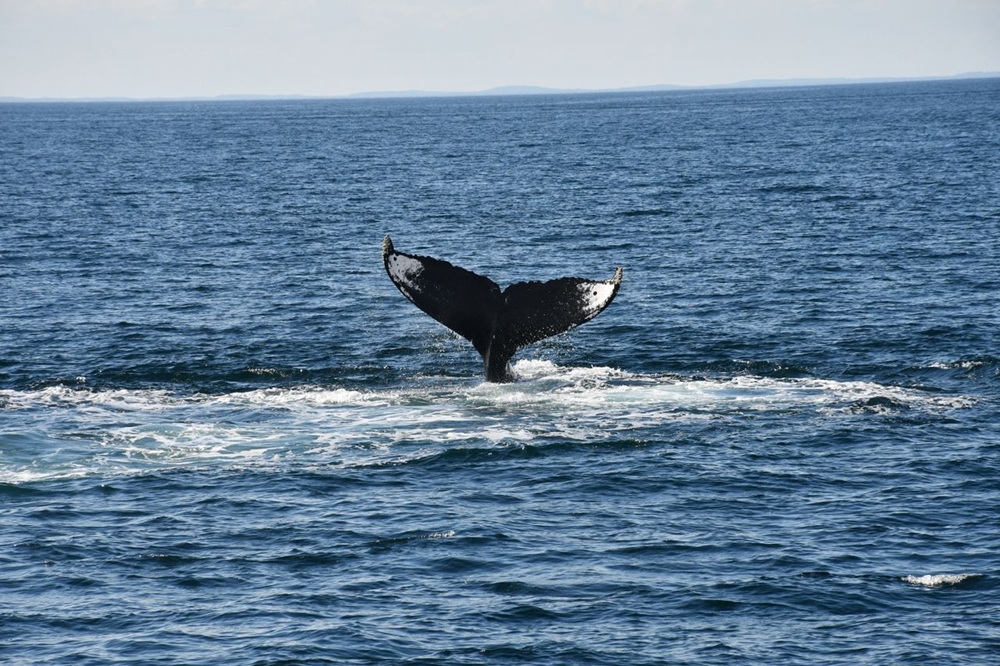
Meanwhile, a new acoustic alarm trial is underway at Noosa Main Beach. It aims to help humpback whales avoid shark control nets while maintaining swimmer safety measures.
The University of Queensland is a research partner in the trial. Independent observers will also monitor whale behaviour from the Noosa headland.
Why It Matters?
The research examines whether acoustic signals can reduce whale interactions without weakening existing shark control measures. This matters because the program protects beachgoers but can also affect migrating marine life.
At the same time, the government says its record investment prioritises scientific research into shark populations. It also supports equipment scientifically proven to reduce shark attack risks and research aimed at protecting whales.
Local Impact
The area’s place in Queensland’s specialist rescue network. Although the trial is in Noosa, Redlands-based officers remain part of the statewide whale response.
The findings could also shape how the Shark Control Program manages whale risks along Queensland’s coastline. This gives the trial local relevance despite taking place on the Sunshine Coast.
By the Numbers
- The field trial runs for five weeks and continues until 11 October 2026.
- Acoustic alarms are attached to two Queensland Shark Control Program nets at Noosa Main Beach.
- An estimated 50,000 whales will migrate through Queensland waters this year. In previous years, an average 0.02 per cent interacted with program equipment.
Zoom In
Primary Industries Minister Tony Perrett said the trial supported science-based decisions and public safety.
“Queensland’s Shark Control Program plays an important role in protecting beachgoers, and we are always looking at ways we can improve the program with contemporary technology and science,” Mr Perrett said.
He said the alarms could help reduce contact between whales and shark control equipment.
“This trial is about using science and innovation to explore new ways of reducing interactions between humpback whales and shark control equipment, while maintaining important public safety measures.
“Queensland is home to an incredible marine environment, and this research will help us better understand whether this new acoustic technology can support improved outcomes for both marine wildlife and beachgoers.”
Sea World Foundation Head of Marine Sciences Wayne Phillips said the research remained in its early stages. However, he welcomed its role in encouraging further scientific work and practical management.
“We hope this evidence-based work will contribute to developing future solutions that reduce the impacts of human activities on marine life,” Mr Phillips said.
Future Oceans chief executive James Turner said continued research funding could reduce the program’s environmental impact. He also outlined the work behind the acoustic devices.
“Delivering this very specific acoustic output from a durable, battery-powered device required considerable engineering. We are proud to put that technology into the water and have its effectiveness independently assessed through this Queensland trial,” Mr Turner said.
Zoom Out
The trial forms part of the Queensland Shark Management Plan 2025-2029. The plan includes investigations into drone surveillance, whale deterrents and other technologies.
The government describes its funding as the largest Shark Control Program investment in Queensland history. It says the funding includes record research spending on shark populations and ways to reduce whale impacts.
The government also claimed the former Labor government let the program drift from its original beach safety purpose. It further claimed Labor failed to build the evidence needed for future decisions.
What To Look For Next?
Researchers will compare alarm activity with whale behaviour recorded from the Noosa headland. The results may indicate whether the sound changes how whales move through coastal waters.