What’s happening?
SeaLink South East Queensland has reached a major inclusive travel milestone.
The company says 92% of its workforce is now trained under the global Hidden Disabilities Sunflower Program.
The program supports people with non-visible disabilities during travel. It gives guests a discreet way to show they may need extra support.
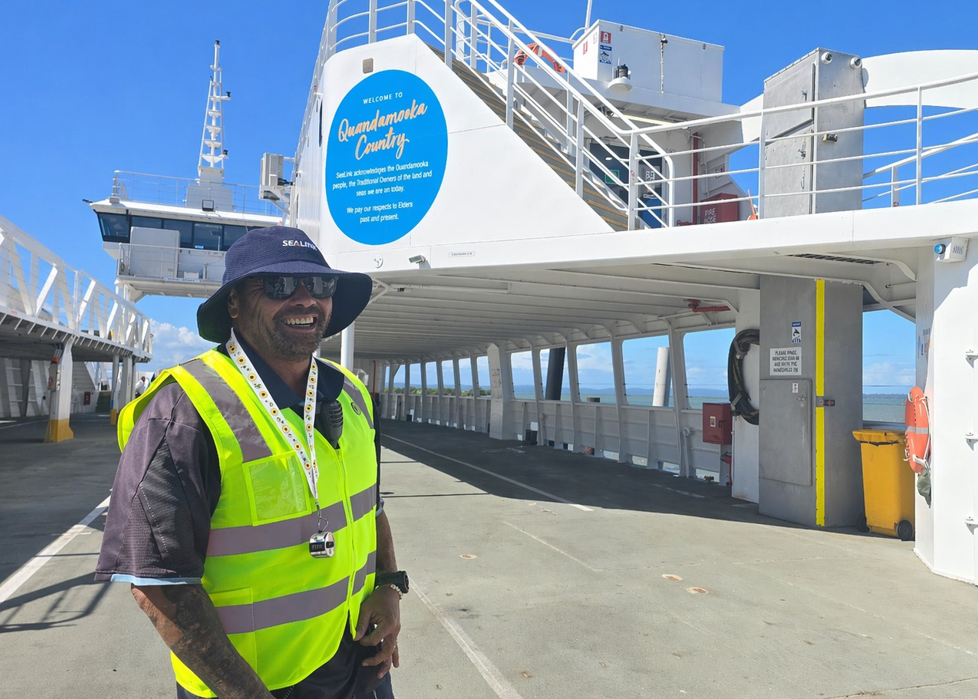
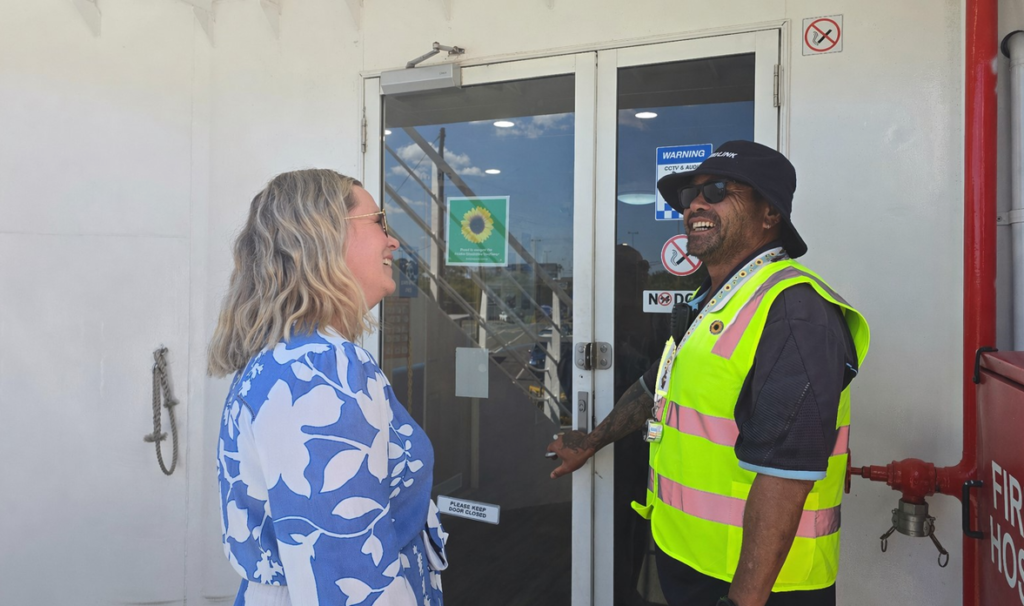
Across SeaLink terminals and vessels, trained crew can be identified by Sunflower Supporter lanyards or pins.
Clear signage also shows SeaLink SEQ is part of the program. It lets guests know assistance is available.
Guests can wear a Sunflower lanyard to communicate their needs quietly. They can also speak directly with a crew member.
The aim is to create a more accessible and supportive environment for families, carers and the wider community.
Why it matters?
Not all disabilities can be seen.
Many travellers may need extra time, understanding or help while moving through terminals or boarding vessels.
The Hidden Disabilities Sunflower Program gives people a simple way to ask for support without explaining their condition.
It also helps staff recognise when a guest may need more care during their trip.
Ben Renwick, General Manager SeaLink South East Queensland, said the milestone reflects a strong and ongoing commitment.
“Every traveller deserves to feel welcome and supported from the moment they arrive,” Mr Renwick said.
“Having 92% of our team trained means we have the awareness and confidence to recognise Sunflower wearers and respond with understanding. It’s about creating an environment where people feel comfortable, respected and supported throughout their journey.”
Local Impact
For South East Queensland travellers, the program means more visible support across SeaLink terminals and vessels.
Guests with hidden disabilities can choose how they communicate their needs.
Families and carers may also feel more confident knowing trained crew are available.
SeaLink SEQ says it continues to invest in accessibility improvements across the region.
These include lift-enabled ferries, tailored assistance for guests with additional needs and ongoing crew education.
The focus is on helping guests of all abilities travel with confidence.
By the numbers
- 92% of SeaLink SEQ’s workforce has been trained under the Hidden Disabilities Sunflower Program, improving staff awareness across terminals and vessels.
- More than 1.3 billion people worldwide live with a disability, showing why accessible travel support matters across transport services.
- One in five Australians identify as having a disability, while up to 85% are non-visible, including neurological, cognitive, sensory, psychological and chronic health conditions.
Zoom In
The Hidden Disabilities Sunflower Program uses two key visual tools.
Green Sunflower lanyards or pins allow guests to show they may need extra time, assistance or understanding.
White Sunflower Supporter lanyards or pins identify trained team members who can offer support with empathy and care.
This system helps make travel less stressful for people whose needs may not be immediately apparent.
Paul Power, Hidden Disabilities Sunflower Member Engagement Manager AUS/NZ, said SeaLink’s involvement strengthens accessibility nationally.
“When organisations like SeaLink join the Hidden Disabilities Sunflower Program, it strengthens accessibility for everyone across the country. Their commitment helps make Australian travel more inclusive and supportive for people with hidden disabilities.”
Zoom Out
The SeaLink SEQ milestone sits within a wider national effort across SeaLink Marine & Tourism.
Business units across Australia are progressing Sunflower training participation.
Inclusive practices are also being embedded into the guest experience.
As more Australians travel with non-visible disabilities, SeaLink says it remains committed to understanding, dignity and respect.
What To Look For Next?
SeaLink SEQ is expected to keep building on this milestone through further crew education and accessibility improvements.
The wider SeaLink Marine & Tourism network is also progressing Sunflower training across Australia.
That means more travellers with non-visible disabilities could see better support across SeaLink services over time.