What’s Happening?
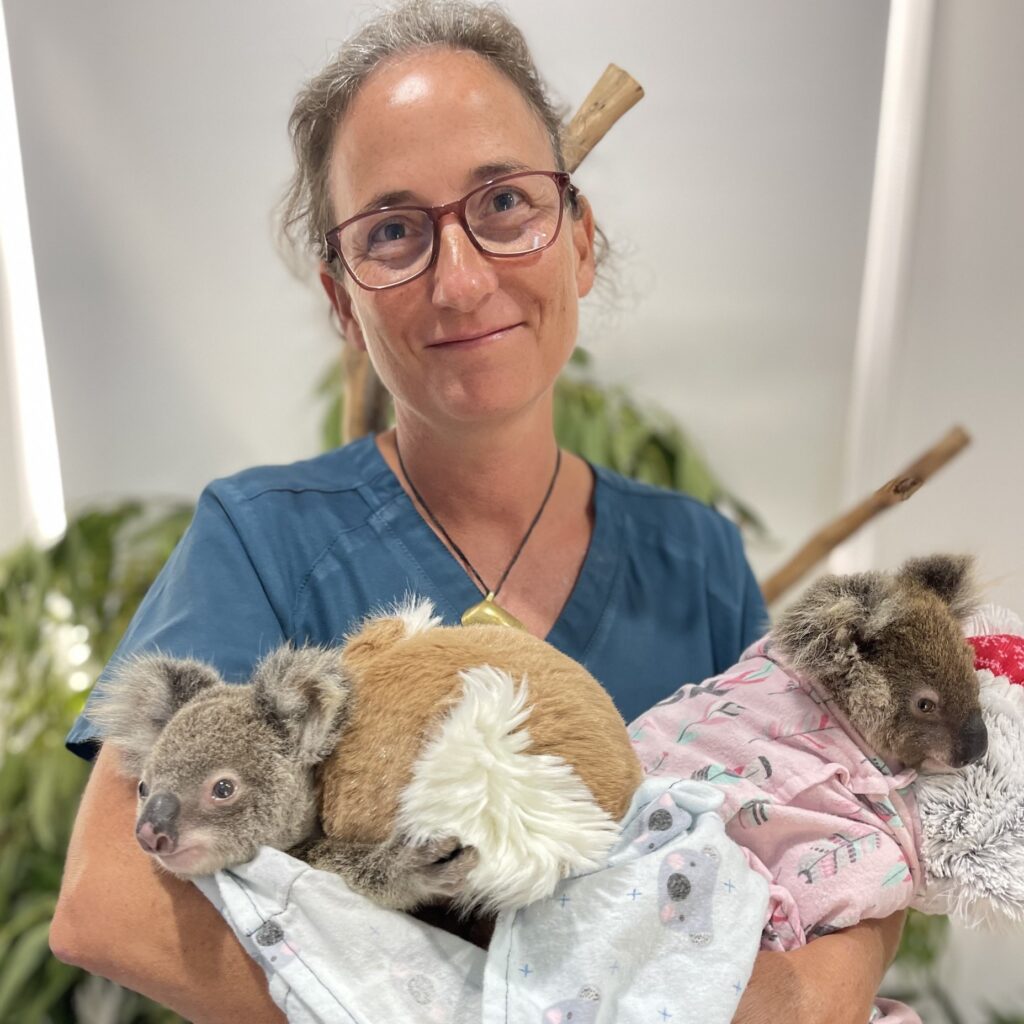
A rescued koala has been treated and released on North Stradbroke Island (Minjerribah) without leaving the island, marking a significant milestone for the newly established Minjerribah Wildlife Veterinary and Conservation Foundation (MWVCF).
Formed in January 2026, the not-for-profit was created to support veterinary care, rehabilitation and conservation of native wildlife on the island – helping reduce the need for injured animals to be transported to mainland facilities wherever clinically possible.
The recent koala release demonstrates that this pathway is now possible. The animal was rescued, treated and rehabilitated on Minjerribah, and released back at his rescue location on Country.
Why It Matters
Previously, wildlife requiring veterinary treatment have been transferred to the mainland, in an often long and stressful journey. For koalas, there is an additional conservation consideration: Minjerribah supports a healthy and isolated population, but animals that leave the island for treatment and rehabilitation are not returned. This precaution is in place to ensure a new pathogen is not introduced to the island population by a returning koala – a low but potentially devastating risk.
On-island treatment changes that equation.
By strengthening local triage and rehabilitation capacity, MWVCF supports both animal welfare outcomes and the long-term integrity of the island’s koala population.
Keeping animals on Country also carries cultural significance, acknowledging the enduring custodianship of the Quandamooka People and the ecological importance of maintaining local wildlife populations.
How It Works
MWVCF supports Straddie Vet, which introduced a 24/7 wildlife triage and emergency care service in September 2025.
The veterinary clinic includes a dedicated wildlife ward and rehabilitation facilities. This integrated model allows fixed clinical infrastructure and expertise to be shared, making on-island wildlife care more sustainable.
MWVCF exists to support the wildlife component of that work and helps fund treatment, rehabilitation, conservation initiatives, carer support, education programs and research.
By the Numbers
The need for coordinated wildlife care is already clear. In December 2025 and January 2026, Straddie Vet-supported care included:
- 50 wildlife patients
• More than 400 volunteer hours
Assisted species include blue-tongue lizard, boobook owl, bush stone-curlew, carpet python, glossy black cockatoo, grey kangaroo, ibis, koala, kookaburra, lace monitor, pacific koel, pelican, rainbow lorikeet, sacred kingfisher, shearwater, swamp wallaby, tawny frogmouth, and tree snake.
Zoom Out
Beyond emergency treatment, MWVCF describes its work through a broader “One Health” lens – recognising that wildlife health, ecosystem health and community wellbeing are interconnected.
The Foundation, guided by a board with expertise in veterinary wildlife medicine, rehabilitation, research, education and governance, aims to combine veterinary care with education and conservation and research initiatives that build local capacity over time.
As Veterinary Conservation Lead for MWVCF, Dr Jade Patterson believes that we all have a responsibility to care for our environment, and she advances a model of care in which veterinary medicine, conservation and community work hand in hand.
“Wildlife health does not exist in isolation – it’s deeply connected to the health of the ecosystems in which these populations and our community live,” said Veterinary Conservation Lead Dr Jade Patterson. “Working together, we can achieve much more meaningful and sustainable outcomes.”
Local Impact
Localised wildlife care can mean faster assessment, reduced transport stress and greater opportunity for release back into familiar habitat.
For koalas in particular, the ability to treat and rehabilitate on Minjerribah helps avoid situations where animals leave the island and cannot return; this, in turn, preserves breeding capacity and genetic contribution within the local population.
What To Look For Next
With its website now live, MWVCF has established a central hub for updates and community engagement as it continues expanding training, education and conservation programs.
For more information, visit mwvcf.org.au