What’s Happening?
With the FIFA World Cup now underway in North America, Henry Pike MP says Redlands should learn from major host cities.
The Federal Member for Bowman said global events can push governments to deliver transport projects with long-term value.
“Long after the trophy is lifted, the real winners of events like the World Cup are the host cities themselves,” Mr Pike said.
“One of the great lessons of major sporting events is that they force governments to get serious about projects that should have been built years earlier. Deadlines focus minds, bureaucracies move faster, and infrastructure gets delivered.”
Mr Pike said Brisbane should take the same approach before the 2032 Olympic and Paralympic Games.
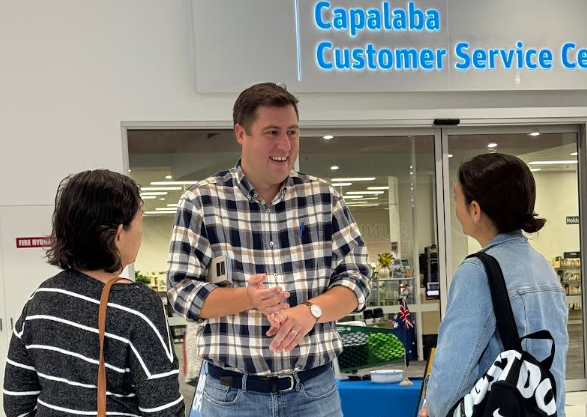
He said that means extending the Brisbane Metro to Capalaba, with a longer-term view to reach further into the region.
“I have been advocating for a Metro extension to Capalaba for four years because I know the difference it will make for local families,” he said.
“Last year, I was proud to help secure a bipartisan $50 million federal commitment to deliver the detailed business case, and that work is now underway.”
Why It Matters?
Major sporting events can leave cities with more than stadiums and short-term crowds.
Mr Pike pointed to transport and infrastructure work in World Cup host cities.
He cited an accelerated Metro subway extension in Los Angeles, a light rail network in Seattle, expanded public transport in Vancouver, and urban renewal in Atlanta.
“None of these projects were really about football, they were about leaving the host city better than they found it,” he said.
“That must be Brisbane’s approach to the 2032 Olympic and Paralympic Games.”
The Olympics can help fix transport gaps if funding and planning move in time.
By The Numbers
- More than half of Redlands residents leave the city each day for work, according to Mr Pike.
- $50 million has been committed federally for the detailed business case for a Metro extension to Capalaba.
- The next 12 to 18 months will be critical as the business case moves ahead.
Local Impact
A Brisbane Metro extension to Capalaba could change daily travel for Redlands commuters.
“If delivered, this would be transformative for our city,” Mr Pike said.
“More than half of Redlands residents leave the city each day for work. A Metro connection would mean faster trips, more reliable services, and more time spent with family instead of sitting in traffic.”
For local families, the issue is about more than transport planning.
It is about shorter commutes, better access to Brisbane, and less pressure on roads used by workers every day.
Zoom In
Mr Pike said early signs from Brisbane City Council’s Games Transport Legacy Plan suggest Capalaba is emerging as a priority.
He said the project has a target of being operational by 2031.
That timing matters because it would place the extension in service before the 2032 Olympic and Paralympic Games.
The detailed business case is now underway, but funding remains the key test.
Zoom Out
Mr Pike said Queensland needs the same federal support shown to major transport projects elsewhere.
“The Albanese Government was willing to commit $6 billion to Melbourne’s Suburban Rail Loop before a completed business case was available,” he said.
“Yet when it comes to transport infrastructure linked to the Brisbane Olympics, Canberra suddenly becomes far more cautious. Queenslanders are entitled to ask why.”
His argument is that Olympic transport planning should not stop at Brisbane’s inner suburbs.
For Redlands, the Games could become a once-in-a-generation chance to secure a lasting public transport link.
What To Look For Next?
The business case will shape whether the Capalaba Metro extension moves from planning to delivery.
“The business case is underway and the opportunity is there,” Mr Pike said.
“What we need now is a Federal Government willing to back Queensland’s Olympic legacy with the same enthusiasm it shows for projects south of the border.”
If the project gains stronger backing, Redlands could see its long-running Metro push become part of Brisbane’s 2032 transport legacy.