What’s happening?
A Queensland plant species presumed extinct in the wild has been rediscovered after 58 years.
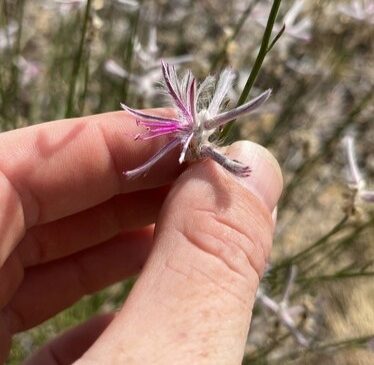
Researchers have confirmed the rediscovery of Ptilotus senarius, a small, slender shrub that had not been recorded since 1967 and was believed extinct.
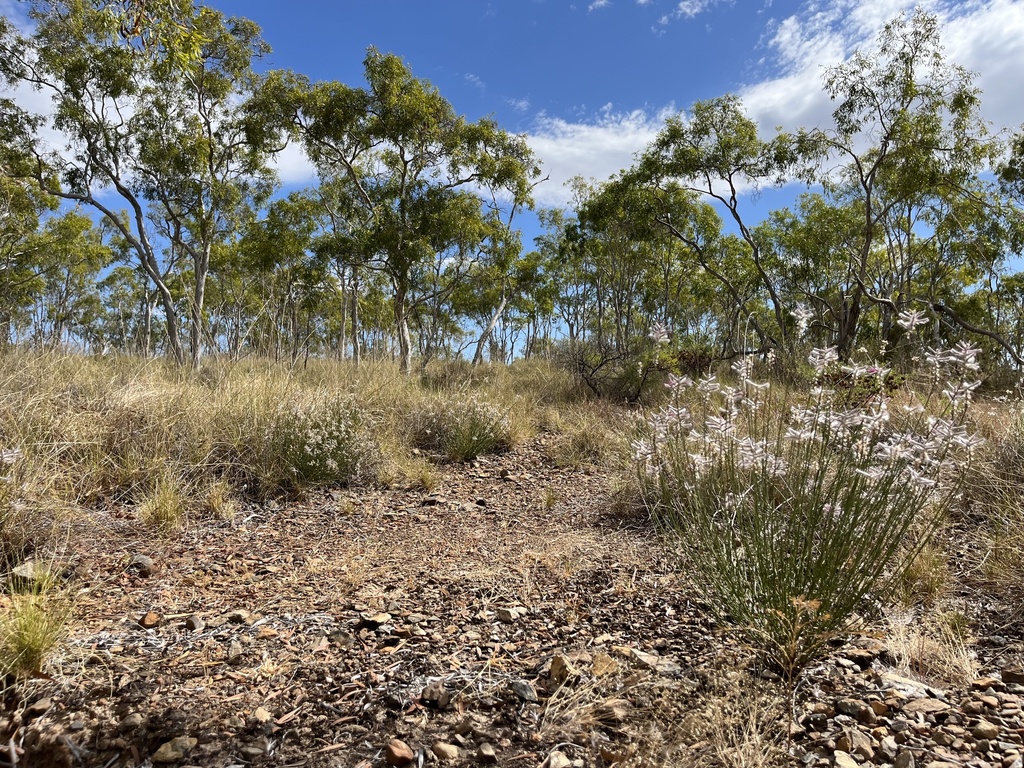
The rediscovery began in June 2025, when horticulturalist and bird bander Aaron Bean uploaded photos of an unusual plant to the citizen science platform iNaturalist. The observation was made while he was working on private property in the Gilbert River region of northern Queensland.
Following the upload, the identification was reviewed and later confirmed using a new specimen collected from the same property.
Why it matters
Researchers say platforms like iNaturalist allow observations from remote and hard-to-reach areas to be shared instantly and reviewed by experts worldwide. This creates new opportunities to locate species thought lost and to better track biodiversity across large landscapes.
Study lead author Thomas Mesaglio from the UNSW School of Biological, Earth & Environmental Sciences said rediscoveries create important next steps for conservation research.
“Rediscoveries offer that opportunity to conduct follow-up, targeted surveys and consistent long-term monitoring to give us a better understanding of exactly where and how these species are distributed across the landscape,” Mesaglio said.
Local impact
The plant was found in the Gilbert River region of northern Queensland, an area that includes large areas of private land.
Researchers say private properties are often difficult for professional scientists to access, which can leave gaps in biodiversity records. Observations made by people already working or living on the land can help fill those gaps.
Mesaglio said iNaturalist plays a key role in these situations.
“iNaturalist has especially become an invaluable tool for recording biodiversity on private property, which can often be difficult to access by professional researchers,” he said.
By the numbers
-
Ptilotus senarius had not been recorded since 1967, leaving a 58-year gap before its rediscovery.
-
The initial observation was uploaded to iNaturalist in June 2025 using a smartphone camera.
-
The rediscovery was publicly reported on 19 January 2026.
Zoom in
The rediscovery began with a single observation uploaded to iNaturalist.
The platform allowed the images to be reviewed by expert identifiers, leading to further investigation and the collection of a new specimen from the same location. This specimen confirmed the species’ identity.
Zoom out
iNaturalist is one of the world’s largest citizen science platforms and is increasingly used by scientists and conservationists.
Researchers say it is helping to rediscover species thought lost, monitor known species, and improve understanding of biodiversity, particularly in remote regions and on private land.
What to look for next?
The rediscovery may now lead to follow-up surveys and long-term monitoring in the Gilbert River region.
Researchers say these steps are needed to better understand where the species occurs and how it is distributed across the landscape.